Aging Well: Can Bariatric Surgery Turn Back the Biological Clock?
Discover how obesity accelerates aging—and how bariatric surgery can potentially protect your telomeres, boosting your healthspan.


Everywhere we look today, there is a massive focus on the "hype" of longevity. From podcasts detailing the secrets of the world’s "Blue Zones" (regions where people live remarkably long, healthy lives) to the rising buzzword of healthspan—which emphasizes not just living longer, but living well—Singaporeans are increasingly invested in aging gracefully.
As our nation shifts towards preventive care with initiatives like Healthier SG, the goal is clear: we want to add healthy, vibrant years to our lives.
Obesity is a significant hurdle to aging well. While we often think of severe obesity in terms of joint pain, diabetes, or heart disease, a recent scientific review published in journal Biomedicines, sheds light on how obesity accelerates aging.
The Biological Clock: Understanding Telomeres
To understand how obesity ages us, we have to look at our DNA. At the end of our chromosomes are protective caps called telomeres. It's job is to safeguard our DNA from fraying and getting damaged as our cells divide. Every time our cells divide, these telomeres get a tiny bit shorter. When they become too short, the cell can no longer divide and function properly, leading to cellular aging and age-related diseases.
How Obesity Accelerates Aging
Obesity accelerates our biological aging at a cellular level. Obesity hits the fast-forward button on telomere shortening.
- Oxidative Stress: Excess body fat generates harmful molecules known as free radicals. This creates "oxidative stress," which physically damages the DNA structure of our telomeres, causing them to break down faster.
- Chronic Inflammation: Obesity keeps the body in a constant state of low-grade inflammation. This chronic immune response exhausts our cells and speeds up telomere wear and tear.
In short, obesity makes our cells act and look much older than our actual chronological age.
Bariatric Surgery: A Metabolic Reset
For those struggling with severe weight issues, bariatric surgery might do more than just shrink the waistline—it could potentially slow down, and in some cases stabilize, the ticking of our biological clocks.
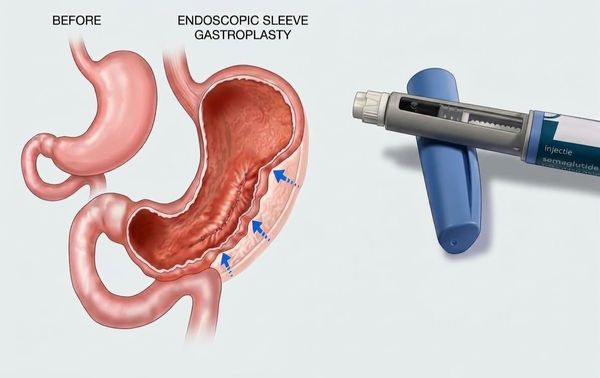
When diets and exercise fall short for those with severe obesity, bariatric (weight loss) surgery—such as a gastric bypass or sleeve gastrectomy—is often recommended.
While the visible weight loss is dramatic, the microscopic changes are just as profound.
Multiple studies looking at how the massive weight loss following bariatric surgery affects telomere length and impacts on accelerated aging:
- Halting the Shortening of the Telomeres: Following surgery, patients experience a drastic reduction in systemic inflammation and oxidative stress. The body stops actively damaging its telomeres.
- Hormonal Profile Improvement: Surgery improves the way the body handles hormones. Levels of adiponectin (a protective hormone) increase, while harmful markers drop. This creates a healthier environment for cells to thrive.
- Potential Telomere Stabilization: While scientists are still debating if surgery can actually lengthen telomeres permanently, many studies show a "stabilization" effect. Especially in the first 6 to 12 months post-surgery, the rapid aging process is put on ice, and the body's cellular resilience improves.
Perhaps this is the reason why bariatric surgery seems to extend the life expectancy for patients with type 2 diabetes and reduces the risk of hormone-related cancers, such as breast cancer.
Extending Your Healthspan
It is important to understand that bariatric surgery is not a magical anti-aging pill.
While bariatric surgery acts as a powerful method that forces the body to adapt and reset, the real magic happens when surgery is paired with lifelong healthy habits: eating a nutritious, antioxidant-rich diet, managing stress, and staying active.
For Singaporeans aiming for that "Blue Zone" vitality, tackling severe obesity is a crucial first step. By reducing the heavy burden of oxidative stress and inflammation, bariatric surgery doesn't just give patients their mobility and confidence back—it helps protect their DNA, granting them a better chance at a longer, healthier, and more active life.
If you want to learn more about obesity management and whether bariatric surgery is right for you, speak to a healthcare professional or explore the resources here at obesity.sg.
Evidence Strength: This review synthesizes data from multiple heterogenous observational studies. There is a need for more robust, standardized longitudinal research to thoroughly understand how bariatric surgery impacts on cellular aging. Final Rating: ★★★☆☆
Source: Read the full study